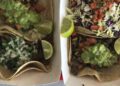


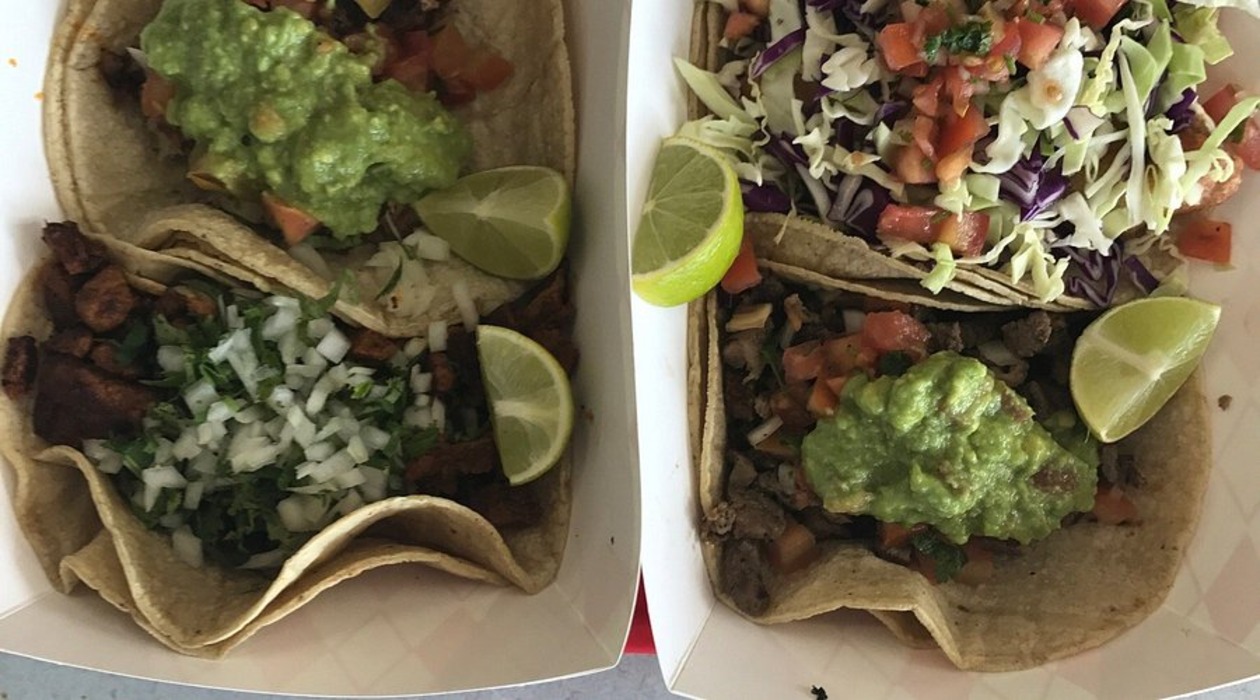
In today’s fast-moving startup world, some of the most meaningful business conversations don’t happen in boardrooms or coworking spaces—they happen over food. That’s where places like papos tacos and provisions quietly step into a larger role than just serving meals. For founders, engineers, and digital professionals constantly toggling between screens and strategy decks, environments like papos tacos and provisions offer something increasingly rare: a space where creativity, community, and culture intersect naturally.
At first glance, it might look like just another modern food concept. But when you look closer, papos tacos and provisions reflects a broader shift in how hospitality brands are evolving—blending culinary identity with lifestyle, storytelling, and entrepreneurial thinking.
The Rise of Experience-Driven Food Spaces Like Papos Tacos and Provisions
The traditional restaurant model has changed dramatically over the past decade. Diners are no longer satisfied with just good food; they expect meaning, atmosphere, and identity. This is where papos tacos and provisions fits into a growing category of experience-driven culinary spaces.
Instead of operating purely as a transactional food service, concepts like this are built around experience architecture. Every detail—from menu design to interior flow—contributes to how people feel while they are there. For tech professionals accustomed to product thinking, it resembles a physical version of user experience design.
In many ways, papos tacos and provisions mirrors how successful startups operate. It is iterative, customer-aware, and deeply focused on emotional engagement. The goal is not just to feed customers but to create repeatable moments of connection.
Why Entrepreneurs Are Paying Attention to Papos Tacos and Provisions
Startup founders often seek environments that stimulate thinking without the rigidity of formal workspaces. Coffee shops used to dominate this role, but modern culinary spaces like papos tacos and provisions are expanding that definition.
There is a psychological reason behind this shift. Food environments naturally lower cognitive resistance. Conversations flow more easily, ideas feel less constrained, and collaboration becomes more organic. For founders brainstorming product ideas or negotiating partnerships, this environment can be surprisingly productive.
What makes papos tacos and provisions particularly relevant is its hybrid identity. It is not just a dining space—it functions as a social node. That matters in an economy where relationships often matter as much as capital.
The Concept Behind Papos Tacos and Provisions
At its core, papos tacos and provisions represents a fusion concept. It blends the immediacy of a casual taqueria with the curated sensibility of a modern provisions shop. This dual identity is intentional. It allows the brand to operate across multiple customer needs—quick dining, relaxed gatherings, and curated takeaway experiences.
This hybrid structure reflects a broader trend in modern business: convergence. Just as SaaS platforms now combine multiple tools into unified ecosystems, hospitality brands are merging dining, retail, and lifestyle experiences into one space.
For entrepreneurs observing this model, papos tacos and provisions becomes more than a restaurant—it becomes a case study in adaptive branding.
Menu Philosophy and Experience Design
The culinary experience at papos tacos and provisions is best understood as modular. Instead of overwhelming customers with complexity, the menu is designed to be flexible, approachable, and experiential.
Below is a simplified representation of how such a menu structure typically functions in concept-driven dining environments like papos tacos and provisions:
| Category | Example Offerings | Experience Focus |
| Tacos | Grilled, slow-cooked, plant-based | Fast, customizable satisfaction |
| Small Plates | Seasonal bites, shareable items | Social dining and conversation |
| Provisions | House-made sauces, sides, condiments | Extended brand experience beyond dining |
| Beverages | Craft drinks, non-alcoholic blends | Complementary flavor storytelling |
| Specials | Rotating chef-inspired creations | Innovation and seasonal relevance |
This structure is not just about food variety—it reflects intentional design thinking. Much like a well-built digital product, the menu is layered to support different user journeys. A solo diner, a startup team, and a casual group can all navigate the experience differently without friction.
What Papos Tacos and Provisions Teaches About Brand Identity
One of the most interesting aspects of papos tacos and provisions is how strongly it emphasizes identity. In a saturated food market, identity is what differentiates a memorable brand from a forgettable one.
For entrepreneurs, this is a familiar challenge. Whether building a SaaS platform or a consumer app, clarity of identity determines long-term traction. Papos tacos and provisions demonstrates this through consistency in tone, design, and experience.
Every interaction reinforces the same message: simplicity, quality, and intentionality. There is no overcomplication. Instead, there is a clear narrative that ties everything together.
This kind of discipline is exactly what many startups struggle to maintain as they scale.
Community Building as a Growth Engine
Modern businesses are no longer just service providers—they are community builders. Papos tacos and provisions reflects this shift by naturally becoming a gathering point for diverse groups.
In entrepreneurial ecosystems, this kind of organic community formation is extremely valuable. Founders often meet investors, collaborators, or early users in informal environments long before structured relationships form.
What makes papos tacos and provisions effective in this role is its neutrality. It does not force interaction, but it enables it. The space becomes a backdrop for connection rather than the center of attention.
This subtlety is important. Strong communities are rarely engineered; they are cultivated.
Lessons in Operational Simplicity
Behind the experience of papos tacos and provisions lies an operational philosophy that many startups can learn from: simplicity at scale.
In the early stages of any business, complexity is the enemy of execution. Successful concepts prioritize systems that are easy to maintain, replicate, and evolve. The same principle applies in modern culinary operations.
From inventory management to service flow, papos tacos and provisions reflects a focus on reducing unnecessary friction. This allows the team to concentrate on consistency and customer experience rather than operational chaos.
For startup founders, this is a direct parallel to product development. The best systems are not the most complex—they are the most resilient.
Marketing in the Age of Authenticity
Unlike traditional restaurants that rely heavily on promotional campaigns, brands like papos tacos and provisions thrive in an authenticity-driven marketing environment. Their growth is often fueled by word-of-mouth, social sharing, and experiential storytelling.
For tech professionals, this mirrors modern growth strategies in digital products. Virality is no longer engineered purely through advertising spend—it emerges from genuine user experiences.
A visually appealing dish, a well-designed space, or a memorable interaction becomes content in itself. In this way, papos tacos and provisions operates as both a physical brand and a digital storytelling engine.
Challenges in Scaling a Concept Like Papos Tacos and Provisions
While the model is compelling, scaling a concept like papos tacos and provisions is not without challenges. One of the biggest risks is dilution of identity. As businesses expand, maintaining consistency becomes increasingly difficult.
Another challenge is operational replication. What works in one location or community may not translate seamlessly to another. This is a common issue in both hospitality and tech startups—context matters more than assumptions.
There is also the question of maintaining cultural authenticity. As brands grow, there is often pressure to standardize experiences, which can weaken the very uniqueness that made them successful.
The Future of Hybrid Culinary Brands
Looking ahead, concepts like papos tacos and provisions are likely to become more common. The boundaries between dining, retail, and social spaces will continue to blur.
We are already seeing early signals of this shift. Restaurants are becoming coworking-adjacent spaces. Retail shops are incorporating food experiences. Hospitality is evolving into ecosystem design.
In this context, papos tacos and provisions is not just a standalone concept—it is part of a broader movement toward experiential convergence.
For entrepreneurs, this signals an opportunity. The next wave of successful brands will not just serve products or services—they will design environments.
Conclusion: More Than a Meal, a Model for Modern Experience
At its surface, papos tacos and provisions may appear to be a culinary destination. But when examined through the lens of modern entrepreneurship, it becomes something more meaningful: a blueprint for experience-driven business design.
It demonstrates how identity, simplicity, and community can combine to create something that resonates far beyond its immediate function. For startup founders, tech professionals, and digital thinkers, it offers a reminder that innovation is not limited to software or technology—it also lives in physical spaces, shared experiences, and human connection.
In a world increasingly defined by speed and digital abstraction, papos tacos and provisions stands as a grounded example of what happens when intentional design meets cultural relevance.