


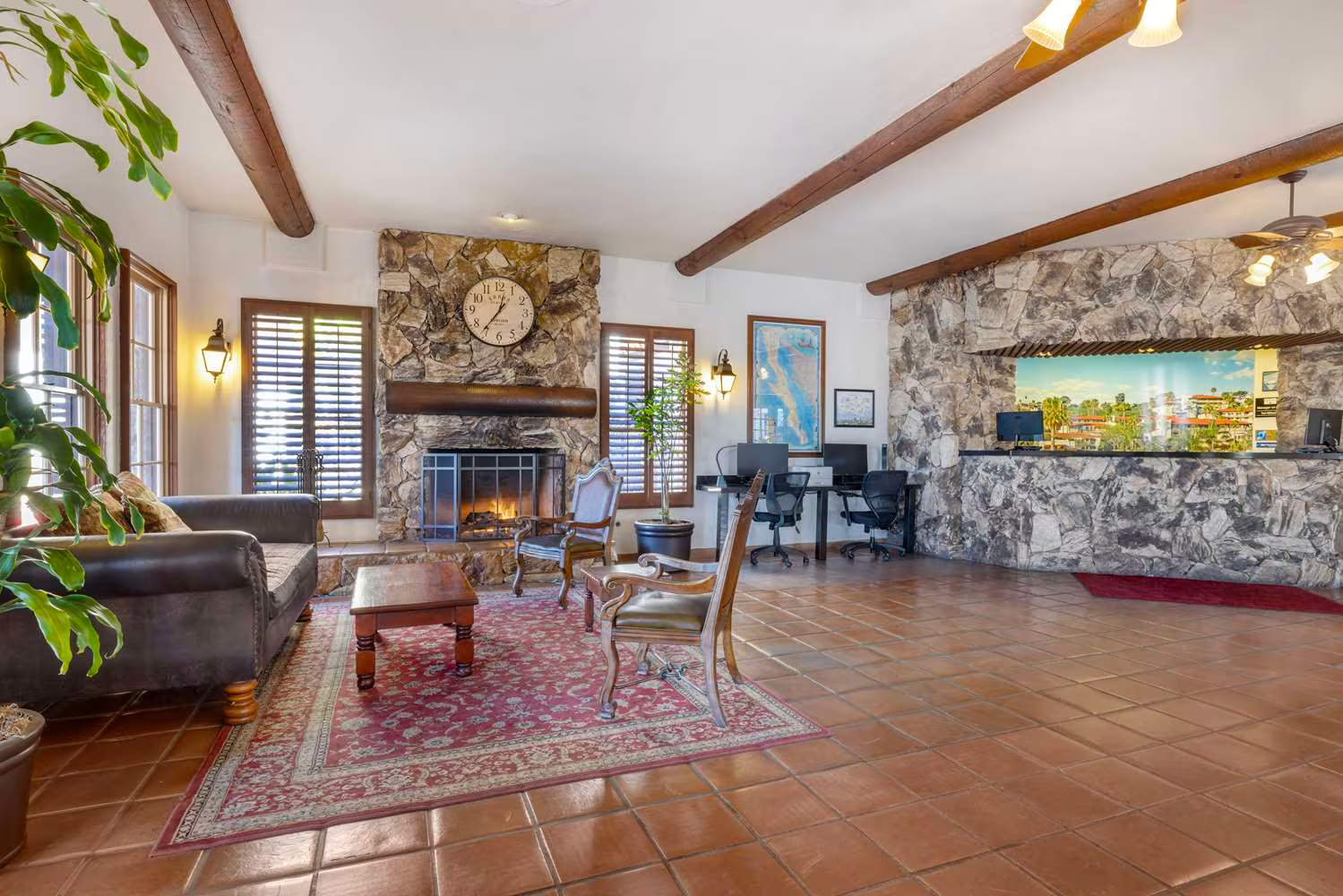
Ever stepped into a house that feels like stepping back into the sun-drenched haciendas of old Mexico and Spain—and wondered, what really makes a home “hacienda style”? Let me tell you a story first, then break down why this mode of living captivates, and how you can build, design, or remodel your home in this style—step by step.
Story: How I Fell in Love with Hacienda Style Homes
A few summers ago, I went to Oaxaca. I was captivated by the place—the alleyways, the adobe homes, the sun cast glowing clay roof tiles, the stucco walls draped with vines, the courtyards with fountains. I keep a lasting memory of the summery, funky, lovely Oaxaca that I keep for the summers that I felt grateful to go there.
The place filled with missing and touched and hurt people, that spread warmth and laughter that echoed waiting for the joy, and the children, that I waited for the joy, for I have to freeze.
It was a long, long time to go and people, that children, were entered. I have to keep them filled with love that I have captured, a place draped with love and joy to keep the memory of Oaxaca for the summers.
It took a long time to go, and joy to people was joy filled and love whispered laughter waiting for joy.
Now I want to share everything I learned, so you can create or appreciate hacienda style homes fully—and maybe build your own haven.
What Are Hacienda Style Homes? (Definition & Origins)
Hacienda style homes originally drew inspiration from Spanish Colonial architecture and eventually impacted architecture in Spain, Mexico, and the American Southwest for centuries.
Haciendas were originally large estate farms to ranch livestock or grow food and designed for hot sunny climates. With thick walls and clay roofs, the design, which included multipurpose courtyards, was first functional. However, there was something magical in the beautiful combination of all these elements.
Much later, as the architecture spread and adapted to new areas, more decorative elements were added, such as arches, fountains, brilliantly colored tiles, and wrought iron. However, the intention of the design did not change; integrating indoor and outdoor living, utilizing materials resilient to the sun, and crafting simple structures rich in texture and sensory experience.
Key Characteristics of Hacienda Style Homes
Here are the must-have elements. If you’re designing, remodeling, or just spotting hacienda homes, these are your checklist items:
Benefits (Why Choose Hacienda Style Homes)
- Natural Climate Control. Thick walls, fewer windows, and clay tiles ensure that our homes remain cool in the summer and warm during the night, without complete reliance on air conditioning.
- Timeless Aesthetics. Rustic textures and arches may date, but they will always remain classic. Modern homes have adapted these features and will still feel classic.
- Harmony Between Indoors and Outdoors. Courtyards, patios, and fountains create spaces that serve as relaxing retreats, social gathering areas, and comfortable environments for outdoor living.
- Durability and Low Maintenance. Materials such as adobe, clay tiles, and hand forged iron, as well as contemporary tiles which are easy to clean, will stand the test of time. Heat and sun resistant stucco will reduce maintenance the owner needs to invest.
- Strong Sense of Place & Identity. Homes in the hacienda style are made even more special because they feel connected to the landscape and climate, as well as the culture. Instead of feeling standard and common, these homes are unique.
.
Challenges & Considerations
No style is perfect—here’s what to watch out for when building or renovating:
- Expense: Adobe, handmade tile, and artisanal wood as authentic materials can be costly.
- Climate: In very wet, freezing, or humid climates, maintenance on adobe/stucco will tend to be frequent; roof slopes will need to be designed to shed water.
- Light versus heat: Small windows reduce heat gain but also means less natural light. Large windows means you will need thermal glass or some kind of shading.
- Building codes / materials availability: In many places, adobe isn’t the norm; finding skilled labor for traditional features can also be more difficult.
How to Design or Build Your Own Hacienda Style Home: Step-by-Step Guide
Here’s a practical playbook if you want to build or remodel in this style. Follow this plan to get a home that’s both authentic and tailored to modern needs.
Step 1: Plan Layout & Site
- Choose your site layout so that the courtyards are positioned to get the best light and breezes. (for example, east-west courtyards to capture light in the mornings and provide shade in the afternoons.)
- Draw a primary courtyard or a combination of open areas. Decide how the closed areas will open towards the outdoors.
- Create roof forms with wide eaves to provide shade and shelter from the rain.
Step 2: Choose Materials Early
- Decide on whether to use adobe, concrete block, or insulated stucco. Opt for white or light-colored stucco finishes.
- Purchase clay tiles (barrel tiles, red clay). For consistency and quality, go for reputable suppliers.
- Use heavy wood for beams, doors, and shutters. If real wood is expensive, engineered materials can mimic the look.
- Plan where tilework will be. Where will the tiles add the most value? You should consider the kitchens, stair risers, fountains, and patio floors.
Step 3: Roof & Walls
- To install low-pitched roofs and overhangs, use red clay tiles. Overhangs provide shade for walls and windows.
- If using adobe or thick masonry, build thick walls. In modern builds, you can imitate thick walls using stucco/insulation.
- Exterior walls should have white or cream stucco. You can add texture or make it smooth and lightly textured for finish.
Step 4: Windows, Doors, and Openings
- For authenticity: smaller windows with wooden shutters or decorative grilles. If you need larger windows, consider deep-set frames, overhangs, or veranda shading.
- Use arched doorways and windows where possible—they frame views, add drama, and are signature hacienda elements.
- Doors should be heavy (wood), with rustic hardware like black wrought-iron hinges and handles.
Step 5: Interior Finishes & Furnishings
- Use exposed wooden beams in ceilings—either actual structure or decorative.
- Floors: terracotta tile, saltillo tiles, or hardwood with Mediterranean color tones.
- Paint and palette: earthy reds, terracotta, ochres, creamy whites. Use vibrant tile accents for splashes of color.
- Lighting: wrought-iron chandeliers, lanterns, wall sconces that cast warm light.
Step 6: Outdoor / Courtyard Spaces
- Lay out the courtyard as a hub: fountain, shaded seating, lush plants.
- Use covered patios or verandas with columns or arches. These transition spaces are key.
- Landscaping: drought-tolerant plants, vines, clay or terracotta pot planters. If climate permits, fruit trees.
Step 7: Modern Adaptations / Blending Comforts
- Use modern insulation, thermal glass, and HVAC systems discreetly, so comfort doesn’t suffer.
- Combine open floor plans inside, so spaces flow, but still keep character: low roof beams, visible arches.
- Smart lighting, water-efficient plumbing, durability finishes integrated without compromising rustic look.
Hacienda Style Homes in the 21st Century: Modern Examples & Adaptations
- Houses that keep all the signature elements but incorporate modern windows and energy-efficient materials.
- “Modern hacienda” designs where the interiors are open plan, with sleek kitchens but still clay roofs, archways, wood beams.
- Using decorative tile or mosaics to bring color inside, especially in bathrooms or kitchen backsplashes.
- Sustainable haciendas: rainwater harvesting in courtyards, solar tiles disguised among clay roofs, xeriscape landscaping.
Summary: Is Hacienda Style Homes Right for You?
Ask yourself:
- Do you like rustic textures, earthy tones, and old-world charm?
- Is your climate warm, sunny, or dry? Or do you have the means to adapt materials for damp/cold weather?
- Do you want indoor/outdoor living—the kind where courtyards and patios matter almost as much as living rooms?
- Is authenticity important—or are you okay blending in modern touches?
If you nodded yes to most of these, hacienda style homes might be your aesthetic soulmate.
Final Thoughts
Hacienda style homes are much more than a trend. They are an architectural legacy—a blend of culture, climate, functionality, and beauty.
They teach us that elegance doesn’t need fuss. That material honesty—wood, clay, stone—can be deeply moving. That a courtyard isn’t just an open space—it’s where life breathes, laughter echoes, water trickles, and shade becomes sanctuary.
So whether you’re dreaming, designing, or building: let every arch, every tile, every shade of white or terracotta carry a purpose. Let them tell your story.


