


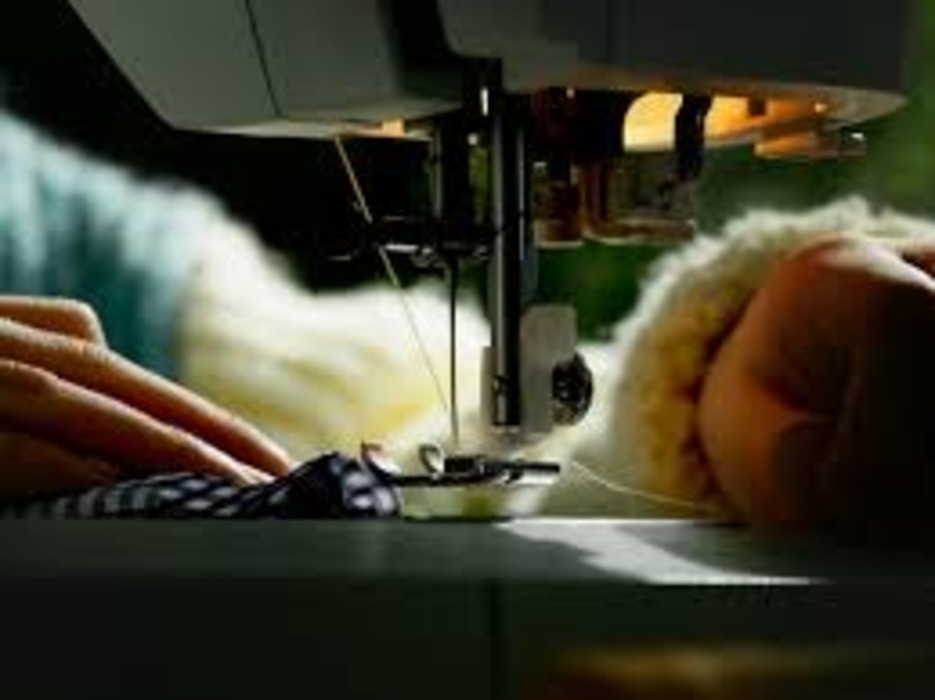
In a world where digital innovation often steals the spotlight, nahttypen—the different types of seams and stitching techniques—quietly power one of the oldest yet most essential industries: textiles and apparel. While it may sound like a purely technical or traditional concept, nahttypen sit at the intersection of engineering, design, and modern manufacturing innovation. From high-performance sportswear to medical textiles and even smart wearable technology, seam construction determines durability, flexibility, comfort, and ultimately, product success.
For startup founders and tech professionals entering fashion tech, manufacturing automation, or smart materials, understanding nahttypen is not just about sewing techniques—it is about product architecture. Every stitch tells a story of strength, elasticity, and purpose. And in today’s competitive market, those details can define whether a product scales globally or fails in production testing.
What makes nahttypen especially relevant now is the evolution of textile engineering. With automation, AI-driven manufacturing, and sustainable production methods reshaping the industry, seam types are no longer just manual craft decisions. They are strategic design choices embedded into digital production workflows.
Understanding Nahttypen in Modern Textile Engineering
At its core, nahttypen refers to the different types of seams used in fabric construction. These seams are not just about joining two pieces of fabric—they define how a garment behaves under stress, movement, and repeated use.
In traditional tailoring, seam selection was largely based on craftsmanship and experience. Today, however, it has become a data-informed decision. Fabric elasticity, tensile strength, wear resistance, and even environmental impact are considered when selecting the right nahttypen for a product.
For example, athletic wear requires seams that stretch without breaking, while industrial uniforms demand maximum durability under pressure. Medical textiles require flat, irritation-free seams to ensure patient comfort. Each application demands a different structural approach.
This shift has made nahttypen a critical consideration not only for designers but also for engineers, product developers, and manufacturing teams.
Why Nahttypen Matter in Industrial and Digital Manufacturing
The importance of nahttypen extends far beyond traditional clothing. In modern manufacturing ecosystems, seam construction is directly linked to product performance and lifecycle.
In automated production environments, machines are programmed to execute specific seam types with precision. This means that understanding nahttypen is essential for anyone involved in digital manufacturing systems or fashion tech platforms.
Poor seam selection can lead to product failure, increased returns, and reputational damage. On the other hand, optimized seam design can enhance product durability, reduce material waste, and improve user experience.
This is especially important in industries where performance is critical—such as sportswear, aerospace textiles, and wearable technology. In these sectors, seams are not just functional—they are structural engineering components.
Key Types of Nahttypen in Textile Production
To better understand how nahttypen function in practice, it is important to explore the most commonly used seam types in the industry today.
| Nahttyp (Seam Type) | Description | Primary Use Case | Key Advantage |
| Lockstitch Seam | Two-thread interlocking stitch | General apparel | Strong and versatile |
| Chain Stitch | Loop-based continuous stitch | Stretch garments | High elasticity |
| Overlock Seam | Edge-finished seam with trimming | Knitwear and sportswear | Prevents fraying |
| Flatlock Seam | Flat, joined seam with no bulk | Activewear | Comfort against skin |
| Zigzag Stitch | Flexible zigzag pattern | Stretch fabrics | Adaptability to movement |
| Coverstitch | Dual-needle topstitch | Hems and activewear | Professional finish |
| Blind Stitch | Nearly invisible seam | Formal wear | Clean aesthetic finish |
Each of these nahttypen serves a specific functional and aesthetic purpose. The choice of seam directly influences how a garment performs under real-world conditions.
Nahttypen in Smart Textiles and Wearable Technology
One of the most exciting developments in recent years is the integration of nahttypen into smart textiles and wearable technology. In these applications, seams are no longer passive structures—they become part of the product’s intelligence system.
For example, in fitness wearables, conductive threads are often integrated into seams to monitor biometric data. In medical garments, seam placement can influence sensor accuracy and patient comfort simultaneously.
This convergence of textile engineering and digital technology is creating entirely new categories of products. Startups working in this space must consider nahttypen not just as manufacturing details but as design infrastructure.
In smart jackets, for instance, seam placement can determine how well heating elements distribute warmth. In posture-correcting wearables, seams guide structural tension to support the body effectively.
In this context, nahttypen become a bridge between physical design and digital functionality.
How Nahttypen Influence Product Design Decisions
In modern product development, seam selection is often integrated early into the design process rather than being treated as a final manufacturing step. This shift reflects a more holistic approach to product engineering.
Designers must now collaborate closely with engineers and manufacturers to ensure that chosen nahttypen align with fabric properties, product goals, and user expectations.
For instance, a high-performance running jacket requires seams that are both waterproof and flexible. This might involve combining multiple nahttypen within a single product to achieve optimal results.
Similarly, luxury fashion brands often prioritize aesthetic seam construction, using invisible or decorative stitching techniques to enhance visual appeal without compromising structure.
This level of integration between design and engineering highlights how nahttypen function as both a technical and creative discipline.
Sustainability and the Future of Nahttypen
Sustainability is becoming a defining factor in modern textile production, and nahttypen play a surprisingly important role in this shift.
Efficient seam construction can significantly reduce fabric waste during production. Certain stitching techniques also improve garment longevity, reducing the need for frequent replacements and lowering overall environmental impact.
Manufacturers are increasingly exploring seam designs that support recyclability and circular fashion systems. For example, seams that are easier to deconstruct can simplify material recovery at the end of a product’s lifecycle.
In this way, nahttypen are not just about construction—they are part of a larger sustainability strategy within the fashion and manufacturing industries.
Challenges in Selecting the Right Nahttypen
Despite their importance, selecting the right nahttypen is not always straightforward. One of the biggest challenges is balancing multiple competing factors such as durability, cost, comfort, and aesthetics.
Different fabrics respond differently to stitching techniques, which means that what works for one material may fail for another. This requires extensive testing and prototyping during product development.
Another challenge is scalability. A seam type that works well in small-scale production may behave differently in automated, high-volume manufacturing environments.
There is also the issue of technological integration. As manufacturing becomes more digitized, ensuring that machines correctly execute complex seam patterns requires precise programming and quality control.
The Role of Nahttypen in the Future of Manufacturing
Looking ahead, nahttypen will continue to evolve alongside advances in automation, AI, and material science. Smart factories are already using digital twins and simulation software to test seam performance before physical production begins.
This allows manufacturers to optimize nahttypen selection based on predictive modeling rather than trial and error. The result is faster development cycles, lower costs, and higher product reliability.
In the long term, we may see fully adaptive seam systems capable of adjusting their structure based on environmental conditions or user behavior. This would mark a new era in textile engineering where seams are no longer static but responsive.
For tech-driven companies and startups, this opens up opportunities to innovate at the intersection of fashion, engineering, and digital intelligence.
Conclusion
Nahttypen may appear to be a traditional aspect of textile manufacturing, but in reality, they represent a critical foundation of modern product engineering. From everyday apparel to advanced smart textiles, seam types influence durability, performance, sustainability, and user experience.
For founders, designers, and tech innovators, understanding nahttypen is about more than fabric—it is about building better products. As industries continue to merge physical craftsmanship with digital intelligence, seam design will play an increasingly strategic role in shaping the future of manufacturing.
In a world driven by precision, performance, and sustainability, the smallest details—like a stitch—often make the biggest difference.